Asoj 2083 BSअसोज २०८३· Nepal runs on its own calendar

Chitwan & the Terai · wildlife reserve

Koshi Tappu

कोशी टप्पु

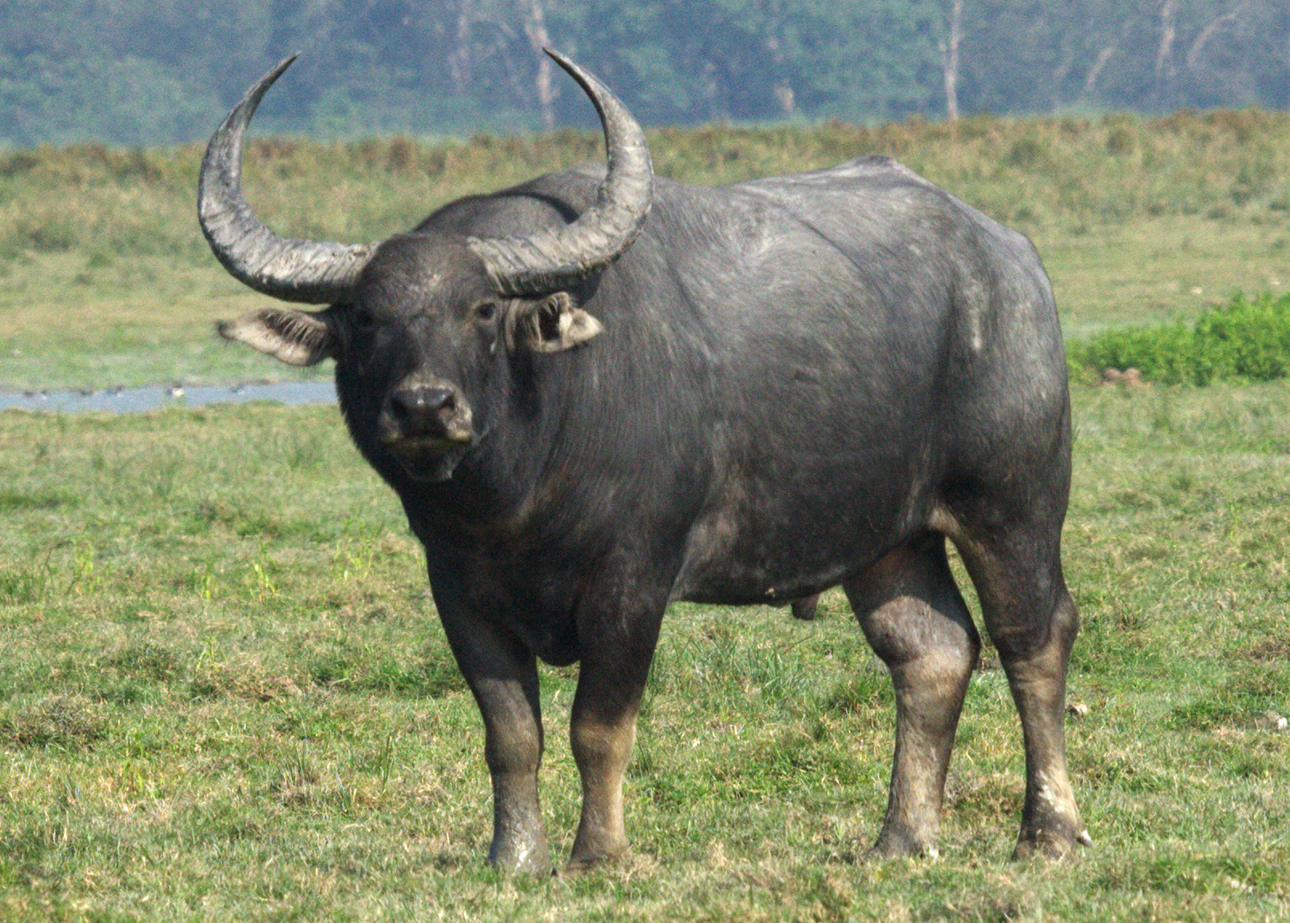
Koshi Tappu Wildlife Reserve protects about 176 square kilometres of reed beds, grassland and river channels on the Koshi floodplain in eastern Nepal. It shelters the country's last wild water buffalo, or arna, and is one of Nepal's richest places for waterbirds. Visit for two nights, November to March, flying into Biratnagar.

  • Stay 2 nights
  • Best Nov – Mar
  • तराईTerai
Koshi Tappu
Photo: Aditya Pal · CC BY-SA 4.0, Wikimedia Commons

The air at Koshi Tappu

Altitude75 m0.8% of the way to 8,849 m
BeltTeraiतराई · The plains: sal forest, rice, rhino country
Each breath99%of the oxygen at sea level
Water boils99.7 °Cso dal takes longer here
vs Kathmandu+8.6 °Ctypical difference by height

Oxygen, boiling point and temperature are worked out from the standard atmosphere for 75 m; real days vary with weather.

In eastern Nepal the Sapta Koshi, the country's largest river, leaves the hills and spreads across a wide plain before crossing into Bihar. Just above the Koshi Barrage, its floodplain becomes a maze of channels, sandbanks, marsh and tall grass at 75 to 81 metres above sea level. This is Koshi Tappu, set up as a wildlife reserve in 1976. Villages and farmland surround the reserve on all sides.

The reserve was created mainly to protect the arna, the wild water buffalo, whose last population in Nepal lives here. Bigger and wilder-looking than domestic buffalo, with huge swept-back horns, arna graze the grasslands at dawn and dusk. The reserve also holds gharial and mugger crocodiles, river dolphins in the Koshi, and more than 200 species of fish. Smooth-coated otters, hog deer and golden jackals also live here.

But most visitors come for birds. In winter the channels and marshes fill with ducks, geese, storks, herons, cranes and raptors, and the grassland hides rare residents such as the swamp francolin. In December 1987 Koshi Tappu became Nepal's first Ramsar wetland. Fly to Biratnagar, drive about 1.5 to 2 hours, and spend two nights in a camp near the reserve's edge. Plan for early starts; the first hours of light are the best.

Why go

Arna, the wild water buffalo

Nepal's only wild water buffalo graze the reserve's grasslands, with massive swept-back horns that can span more than a metre. Early morning and late afternoon are the best times to see a herd. Watch from a safe distance.

Winter waterbirds

From November to March the channels and marshes fill with ducks, geese, storks, herons, ibises and raptors. Koshi Tappu and the barrage are among Nepal's top birding sites. Bring binoculars and warm layers.

Boat trips on the Koshi

Local boatmen take visitors along the channels for close views of waterbirds, crocodiles and, with luck, Ganges river dolphins surfacing in the main river. Morning trips give the softest light and calmest water.

The Koshi Barrage

Built between 1958 and 1962 with 56 gates, the barrage spans the Koshi near the border. Birds gather on the water above it, and riverside eateries nearby serve fresh fish. Carry your passport near the border.

Grassland specialists

The tall grass hides rare birds such as the swamp francolin, as well as hog deer and wild boar. Walks along the embankment at dawn give the best chances. Go with a bird guide who knows the calls.

१The story of Koshi Tappu

A river that moves, a buffalo that stayed

The Koshi is famous for changing course. Carrying silt from Everest, Makalu and Kanchenjunga, it has shifted its bed across the plain many times, earning the name 'Sorrow of Bihar' for the floods it sends downstream. In the 1950s Nepal and India agreed to tame it, and between 1958 and 1962 the Koshi Barrage was built near the border, with 56 gates. The river still carries so much sediment that its channels keep shifting from year to year.

Above the barrage the river still spreads and floods each monsoon, renewing grassland and wetland. That is the habitat the arna needs. By the 1970s hunting, grazing and farming had reduced Nepal's wild water buffalo to a single small herd, and in 1976 the government set up Koshi Tappu Wildlife Reserve to save it. In 1987 the reserve was listed under the Ramsar Convention, and in 2005 it was named an Important Bird Area together with the barrage. It remains the arna's only home in Nepal.

Living beside the reserve is not easy. Wild buffalo and boar raid crops, domestic cattle graze inside, and in August 2008 the Koshi broke its eastern embankment north of the barrage, flooding farmland and displacing tens of thousands of people in Nepal and millions in Bihar. The reserve and its neighbours are still finding a balance between people, river and wildlife. Visitors who come with local guides and stay in local camps help show that the wetland is worth more alive than drained.

३The people

Who lives here

Villages around Koshi Tappu are home to Tharu families, including Kochila Tharu, Maithili-speaking Madhesi communities, and fishing communities such as the Mallah and Musahar, who have long worked the Koshi's channels with nets and small boats. Hill settlers farm on higher ground. People grow rice, jute, wheat and lentils and graze cattle, and some work as boatmen and bird guides.

४Words you will hear
Nepali
अर्ना
arna

Wild water buffalo

Nepali
टापु
tappu

Island; the reserve is named for the river islands of the Koshi

Nepali
माछा
machha

Fish

Every word on this site

५What to eat

Koshi fish curry

Fish from the Koshi is cooked in mustard oil with turmeric, chilli and tomato and eaten with rice. Riverside restaurants near the Koshi Barrage are known for it, and camps near the reserve serve it when the catch is fresh. Ask for small river fish fried crisp as a side.

६Few people know

Things most guides leave out

Koshi Tappu was designated a Ramsar wetland of international importance in December 1987, making it Nepal's first Ramsar site.

Wikipedia: Koshi Tappu Wildlife Reserve; Ramsar Sites Information Service

The reserve was established in 1976 and holds Nepal's last remaining population of wild water buffalo, Bubalus arnee, known locally as arna.

Wikipedia: Koshi Tappu Wildlife Reserve

Grassland covers about 68 per cent of the reserve and forest only about 6 per cent; around 200 fish species have been recorded in its waters, and the Ganges river dolphin has been sighted in the Koshi.

Wikipedia: Koshi Tappu Wildlife Reserve

Untold Nepal, region by region

Getting there

How to reach Koshi Tappu

Air

Fly from Kathmandu to Biratnagar (BIR), about 35 to 40 minutes, then drive about 1.5 to 2 hours west to the reserve. Rajbiraj airport, about 26 km from the barrage, also has flights from Kathmandu. Check current status before you travel.

Road

From Kathmandu it is about 400 km and 10 to 12 hours via the BP Highway and East-West Highway. From Janakpur allow 4 to 5 hours east along the East-West Highway. Night buses run from Kathmandu to Itahari and Biratnagar.

Where to stay

A small number of tented camps and lodges operate near the reserve's eastern edge, run by birding operators with their own guides and boats; standards are simple but comfortable, and some close in the monsoon. Itahari and Biratnagar, 1 to 2 hours away, have city hotels. For serious birding, stay at a camp near the reserve so you are in the field at dawn. Book ahead for December to February.

Local tips

  • Go from November to March for the best birding; December to February is peak season for migrants.
  • Bring binoculars, a spotting scope if you have one, and a bird guide or app for South Asia.
  • Pack warm layers for foggy winter mornings on the water.
  • Keep well back from wild buffalo; they can be aggressive, especially bulls and mothers with calves.
  • Check current reserve fees and access rules, which change; the 2023 guide rule for national parks may apply.

On the map

Koshi Tappu and what is near it

Map of Koshi Tappu, Janakpur, Dhanusha DhamIndiaChinaNepalKoshiKoshi Tappu1Koshi TappuJanakpur2JanakpurDhanusha Dham3Dhanusha Dham50 kmN
  1. 1Koshi Tappu
  2. 2Janakpur
  3. 3Dhanusha Dham
Drawn by Book Nepal Trip from Natural Earth outlines (public domain). International borders as depicted by Nepal. Rivers: Karnali, Gandaki and Koshi systems. Not for navigation.

Questions

Koshi Tappu: what travellers ask

Where is Koshi Tappu Wildlife Reserve?

Koshi Tappu lies in eastern Nepal on the floodplain of the Sapta Koshi River, in Sunsari, Saptari and Udayapur districts, a few kilometres upstream of the Koshi Barrage. The nearest airport is Biratnagar, about 1.5 to 2 hours by road; Rajbiraj airport is also close to the barrage.

What is Koshi Tappu famous for?

Koshi Tappu is famous for Nepal's last population of wild water buffalo, the arna, and for outstanding birdlife, especially winter waterbirds. It was Nepal's first Ramsar wetland, listed in December 1987, and is an Important Bird Area together with the Koshi Barrage.

When is the best time to visit Koshi Tappu?

November to March, when migrant waterbirds are present and the weather is cool and dry. December to February is the peak birding season. The monsoon, from June to September, floods much of the area, and many camps close. Spring is hot but still good for resident birds.

How do I get to Koshi Tappu from Kathmandu?

Fly from Kathmandu to Biratnagar in about 35 to 40 minutes and drive about 1.5 to 2 hours. By road it is about 400 km and 10 to 12 hours via the BP Highway and East-West Highway. Many travellers combine Koshi Tappu with Janakpur, 4 to 5 hours to the west.

How many days do I need at Koshi Tappu?

Two nights is ideal: one full day for boat trips, embankment walks and searching for wild buffalo, with dawn and dusk sessions. Keen birders often stay three or four nights to cover more habitats and the barrage. Start at first light each day.

Where can I stay at Koshi Tappu?

A small number of tented camps and lodges operate near the reserve's eastern edge, run by birding operators with their own guides and boats. Itahari and Biratnagar have city hotels 1 to 2 hours away. Camps near the reserve are best for dawn birding; book ahead for winter.

Is Koshi Tappu good for non-birders?

It can be, if you enjoy quiet landscapes, boat trips and village life, and want to see the wild water buffalo. But it does not have Chitwan's rhinos and big predators. Non-birders on a short trip usually prefer Chitwan; Koshi Tappu suits nature lovers with time.

Is Koshi Tappu now a national park?

Koshi Tappu has long been managed as a wildlife reserve, and there have been discussions about changing its status. Names, fees and rules for protected areas in Nepal do change, so check current status before you travel and confirm entry fees with your operator.

Can I see wild water buffalo for sure at Koshi Tappu?

Sightings are likely but not guaranteed. Herds graze the grasslands in the early morning and late afternoon, and a good guide knows where they have been seen recently. Dense grass and floods can hide them. Two days on site improves your chances.

Plan with a local planner

Tell us your height, we will find the trail

Easy hills or a 5,000 m pass, a week or a month: three short questions and a planner sends a first plan, with the sleeping height of every night and an itemised price.

  1. १Tell us where, when and how high you want to go
  2. २Get a first plan and an itemised price within one working day
  3. ३Change anything until it fits. Pay a deposit only when you book
Plan my Nepal trip