
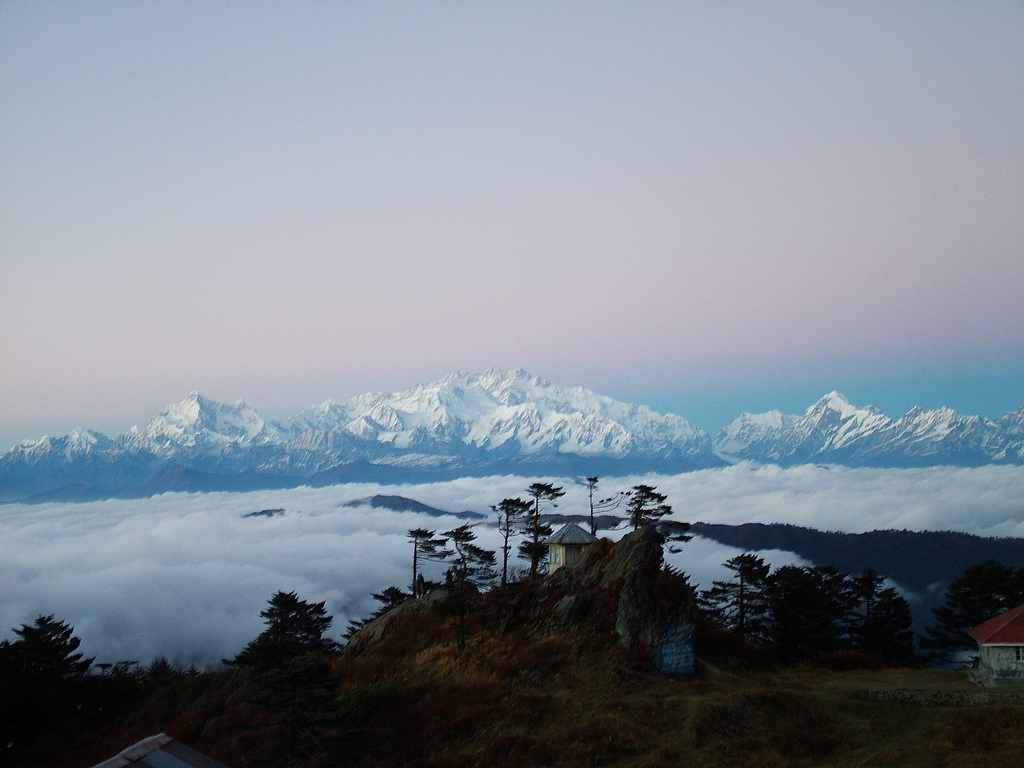
A tea town on the Darjeeling side of the hills
Ilam bazaar was set up in 1818 as the seat of the Ilam gauda, the administrative post the Gorkhali state used to govern this far corner of the new kingdom. Before that, the hills belonged to the Limbu chiefs of Limbuwan, whose traditional territories stretched east of the Arun to the Mechi river on the Sikkim and Darjeeling border. Many of the old Limbu place names survive in the villages around town, and Limbu families still farm the slopes their ancestors held.
Tea came in the 1860s. Ilam's tea history is usually dated to 1863, and a factory followed a few years later. The hills here share their soil, slope and mist with Darjeeling across the border, and for much of the 20th century green leaf from Nepal's estates was sold over the border to Indian factories. Nepal set up its own Tea Development Corporation in 1966, and private estates and smallholders took a larger share after the National Tea Policy of 2000.
Today Ilam and neighbouring Jhapa grow most of Nepal's tea, with Ilam known for orthodox hill leaf, alongside cardamom, ginger, broom grass, potatoes and the tiny round akabare chilli. People here speak of Ilam's six A's: alu (potato), alain (milk), alainchi (cardamom), aduwa (ginger), amriso (broom grass) and akabare. In 2010 Ilam became the first municipality in Nepal to ban plastic bags in its market, a point of pride you will hear about in the tea shops along the main road.



.jpg)